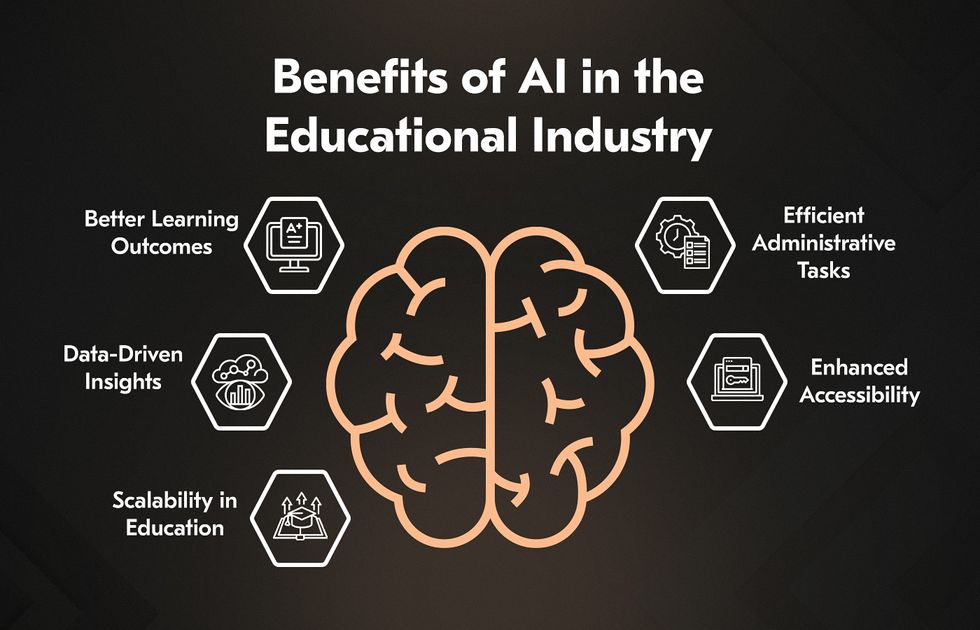
Why the Future of Learning and Automation Depends on Multiple AI Models
In today’s rapidly evolving digital landscape, relying on a single source of truth — whether that’s data, GPS, or even an AI model — simply isn’t enough. At Beam Education, we’ve seen firsthand how accuracy, insight, and innovation multiply when you pair great minds and great machines together.
Just like savvy travelers double-check directions by using more than one GPS app before hitting the road, forward-thinking organizations are beginning to double-check their AI road maps using more than one model. It’s not about redundancy — it’s about reliability. After all, wouldn't you rather have two copilots confirming your flight path than one taking over alone?
The Multi-Model Moment
Microsoft’s newest research updates perfectly capture this shift. Their Microsoft 365 Copilot Researcher now combines models from OpenAI and Anthropic (Claude), blending two distinct perspectives to reach more accurate, balanced answers.
One model drafts a response — the other critiques it. The result? Answers that are 13.8% more accurate, according to the DRACO deep-research benchmark. That might sound like a small number, but in the world of artificial intelligence — especially educational and research automation — it’s huge.
At Beam Education, we view this as more than just a performance boost; it’s a philosophical pivot. Using multiple AI models acknowledges a fundamental truth about intelligence: no single mind, human or artificial, holds all the answers. Collaboration isn’t just efficient — it’s essential.
Why Multiple Models Matter in Education and Business
In the classroom and the boardroom alike, combining different voices, tools, and technologies helps us make wiser decisions. AI works the same way.
Here’s why trusted AI systems are increasingly collaborative rather than competitive:
Accuracy multiplies through validation. When two models cross-check each other’s work — such as OpenAI’s reasoning paired with Anthropic’s critique — it drastically reduces the likelihood of hallucinations or misinformation.
Bias decreases through diversity. Different models are trained with different data philosophies. That means pairing them helps balance out blind spots inherent to any single dataset.
Performance improves in specialized tasks. Each model has unique strengths — one might excel in creative generation, while another shines in factual research or ethical reasoning.
Transparency grows with comparison. A “Model Council” view (like Microsoft’s side-by-side AI panel) helps users see how different systems approach the same problem.
In essence, the future of AI — especially within education and workforce training — is not a single superstar model, but an entire council of minds reinforcing one another.
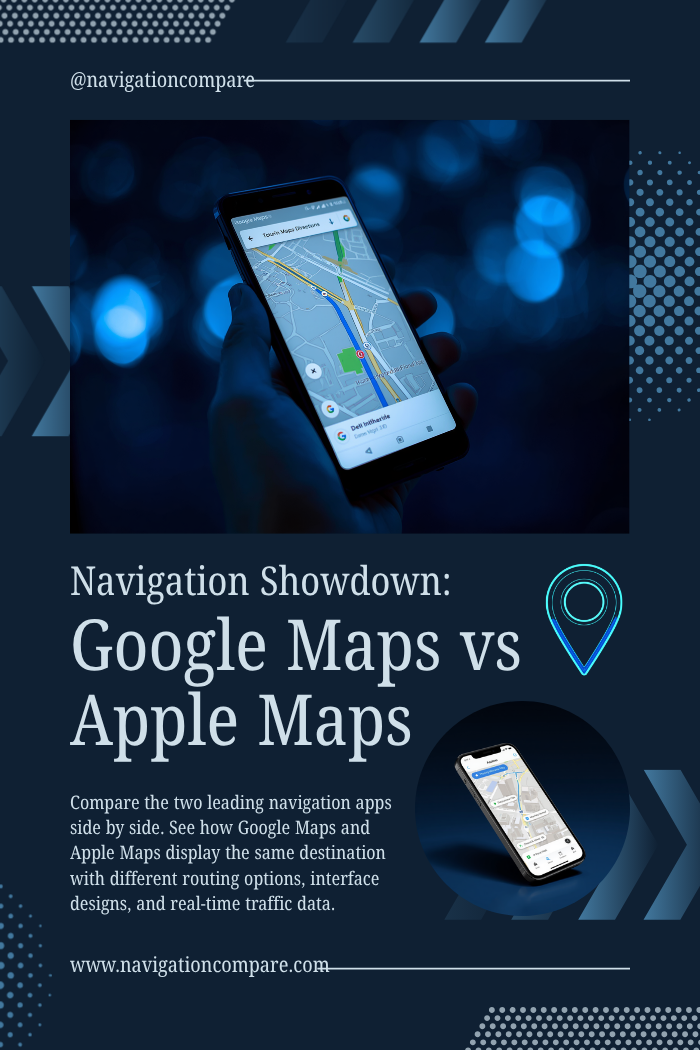
The GPS Analogy: Why “Double-Checking” Matters
Think of this through a more familiar lens. When we use GPS navigation, we often verify one system with another — Google Maps vs. Apple Maps, for example. Why? Because we know that algorithms sometimes misinterpret routes, skip construction updates, or misread speed zones.
AI operates under the same conditions. A single model can misread nuances, miss data points, or overinterpret context. A second model checking that work creates a safety layer that strengthens trust — especially in education, research, and business intelligence.
Imagine your favorite mapping app suggesting a shortcut that runs straight through a closed road. That’s what can happen when organizations rely on a single AI model. But a dual-model approach, like Microsoft’s Copilot integrating both OpenAI and Anthropic, would immediately flag that weakness before the user even sees the flawed route.
At Beam Education, we think of this as co-intelligence— not machine versus human or model versus model, but a system of checks and balances that works in harmony.
The Power of a “Model Council”
Microsoft calls its newest approach a Model Council, and the concept is brilliant. It allows users to compare answer quality across multiple AI models, revealing differences in thinking that wouldn’t be visible otherwise.
At Beam Education, we see an enormous opportunity for applying this same “Model Council” structure to personalized learning environments. Imagine a platform where:
Students get tailored responses checked across multiple AIs to ensure accuracy.
Educators see consensus data that identifies where AI explanations diverge.
Business trainers can validate that automated feedback aligns with company values or compliance needs.
This layered trust model doesn’t just make AI smarter — it makes us smarter in how we use it.
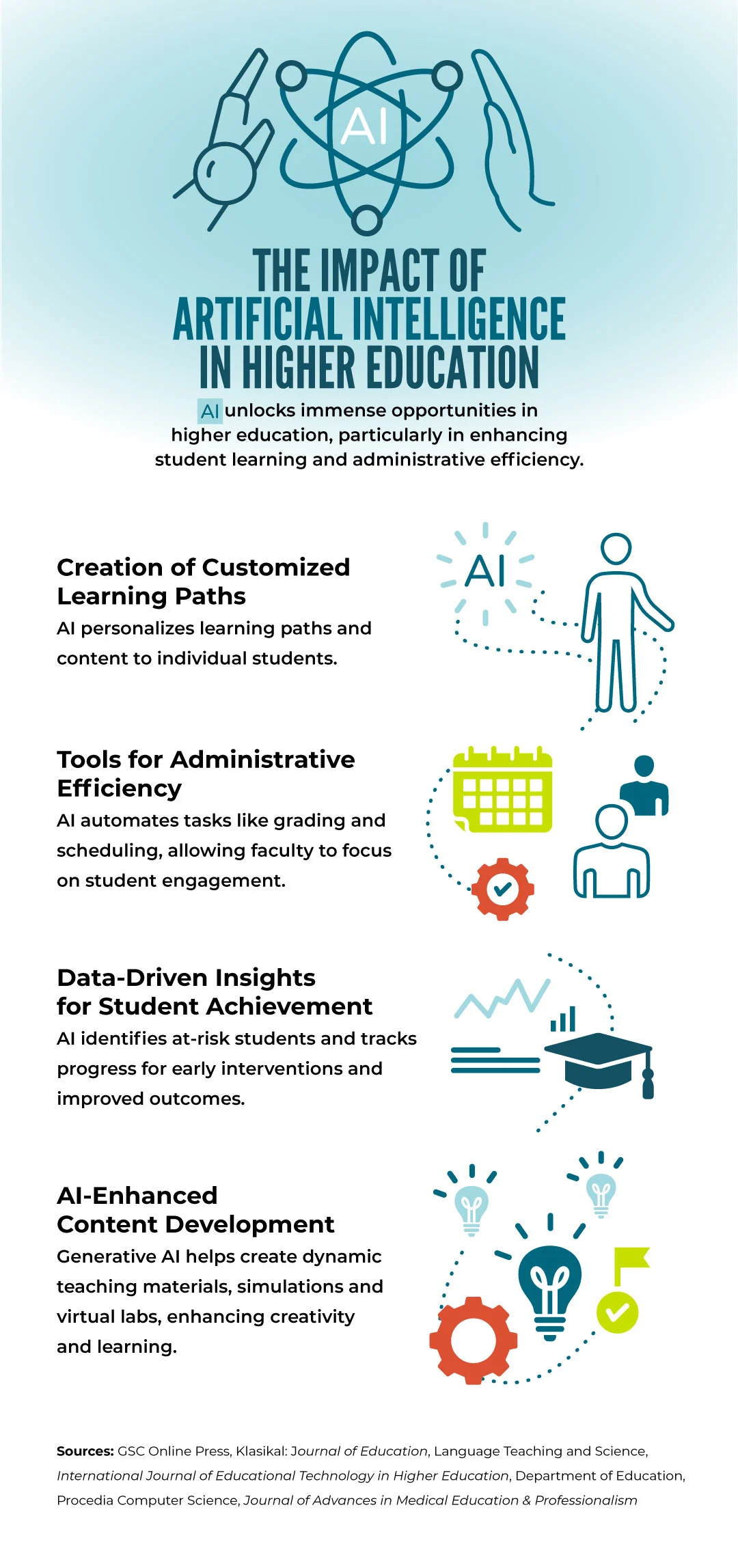
The Balancing Act: Speed, Cost, and Quality
Now, using multiple models isn’t without challenge. Microsoft’s experiments show that combining models can cost 20–150% more in compute power, and responses may take slightly longer to process.
But think about it this way: if your autonomous car spent an extra two seconds confirming your route, would you complain about the delay — or appreciate the safety?
At Beam Education, our answer is clear. Quality and confidence are worth the cost. When lives, businesses, and learning decisions hang in the balance, precision beats speed every time.
The Big Picture: Collaboration as the Future of Intelligence
As AI systems evolve, multi-model synergy will become the new standard. Perplexity, Anthropic, and Microsoft are all racing toward a future where ensembles of models — each with their own character and capabilities — create the most reliable and ethical outcomes.
In education, this means tutoring systems that synthesize perspectives from multiple AI educators.
In business, this means analytics dashboards powered by several AI engines that validate each other’s conclusions.
And for society at large, it means we move away from the myth of the “one true AI” toward a healthier ecosystem of interlinked intelligence — just as nature intended.
At Beam Education, we’re embracing this multi-model future. Because the most powerful intelligence isn’t solitary — it’s shared.
