When "Free Money" Isn't Free: Why Some Private Schools Are Saying No to Texas School Vouchers
By now, you've probably heard a lot about Texas' new school voucher program — the Texas Education Freedom Accounts, or TEFA. The state set aside $1 billion in taxpayer money to help families pay for private school tuition, homeschooling, and other education costs. Over 150,000 families applied before the March 17 deadline. That's a big number.
But here's what's not making as many headlines: dozens of private schools are saying no.
That's right. The very schools these vouchers were designed to support are turning the money down. And the reasons why tell us a lot about what's really at stake in the Texas school choice debate — for schools, for parents, and for kids.
First, Let Me Tell You What TEFA Actually Is
The Texas Education Freedom Accounts program was created by Senate Bill 2, signed into law in 2025 by Governor Greg Abbott. Starting in the 2026-27 school year, approved private school families can receive about $10,474 per child to help cover tuition and school expenses. Students with disabilities can receive up to $30,000, and homeschool families can get $2,000.
Sounds like a good deal, right? Maybe. But the details matter — and some private schools aren't willing to wait around to find out what those details actually mean for their schools.
So Why Are Private Schools Opting Out?
The research company Niche published a list of the Top 50 private schools in Texas. More than 60% of them are NOT accepting vouchers for the upcoming school year.
Want to know something even more striking? The Top 10 private schools on that list are all members of the National Association of Independent Schools (NAIS) — and not a single one of them is participating in TEFA.
One of those schools is the Selwyn School in Argyle, a small, close-knit school of about 140 students. Selwyn's head of school, Deborah Hof, said it plainly: "Being an independent school means you actually have to be independent."
Here's the core of why schools like Selwyn are sitting this one out:
They don't know the rules yet. The state hasn't released full program details until May. Schools are being asked to make life-changing decisions without knowing all the facts. Will the government control what they teach? Will voucher students change the school's culture? What happens if they don't like the rules later?
For schools that have spent decades building something special — a unique curriculum, a specific set of values, a particular kind of learning environment — the risk of tying themselves to government money feels too high. When you accept public dollars, public expectations often follow.

Let's Break Down the Pros and Cons
This isn't a simple issue. There are real benefits AND real risks — depending on who you are.
For Private Schools
The Pros of Accepting Vouchers:
More students = more revenue and growth opportunities
Chance to make education accessible to families who couldn't afford it before
Increased visibility and enrollment interest
The Cons of Accepting Vouchers:
Required to administer standardized testing to voucher students
Risk of government strings being attached later — curriculum controls, reporting requirements, or accreditation changes
Possible culture shift if a large number of new students enroll at once
Uncertainty about the long-term rules of the program
For Parents
The Pros:
Real financial help — up to $10,474 per child is significant
More choice in where your child goes to school
Priority given to low-income families and students with disabilities
The Cons:
The school you want may not be participating
Voucher amounts may not cover full tuition at elite private schools (Selwyn's tuition runs up to $28,000 a year)
Families may have to wait until April or May to find out if they're approved — too late for many school enrollment deadlines
Some families who need it most may not even know the program exists
For Students
The Pros:
Access to schools and programs that may be a better fit
Potential for smaller class sizes, specialized instruction, or faith-based education
Students with disabilities may receive significantly more support funding
The Cons:
If a student's ideal school opts out, voucher money won't help get them there
Switching schools mid-year or late in the enrollment season can be disruptive
Students in public schools may feel the effects of funding cuts to their schools
What About Our Public Schools?
Here's something we can't skip over at B.E.A.M. Education, because it hits close to home.
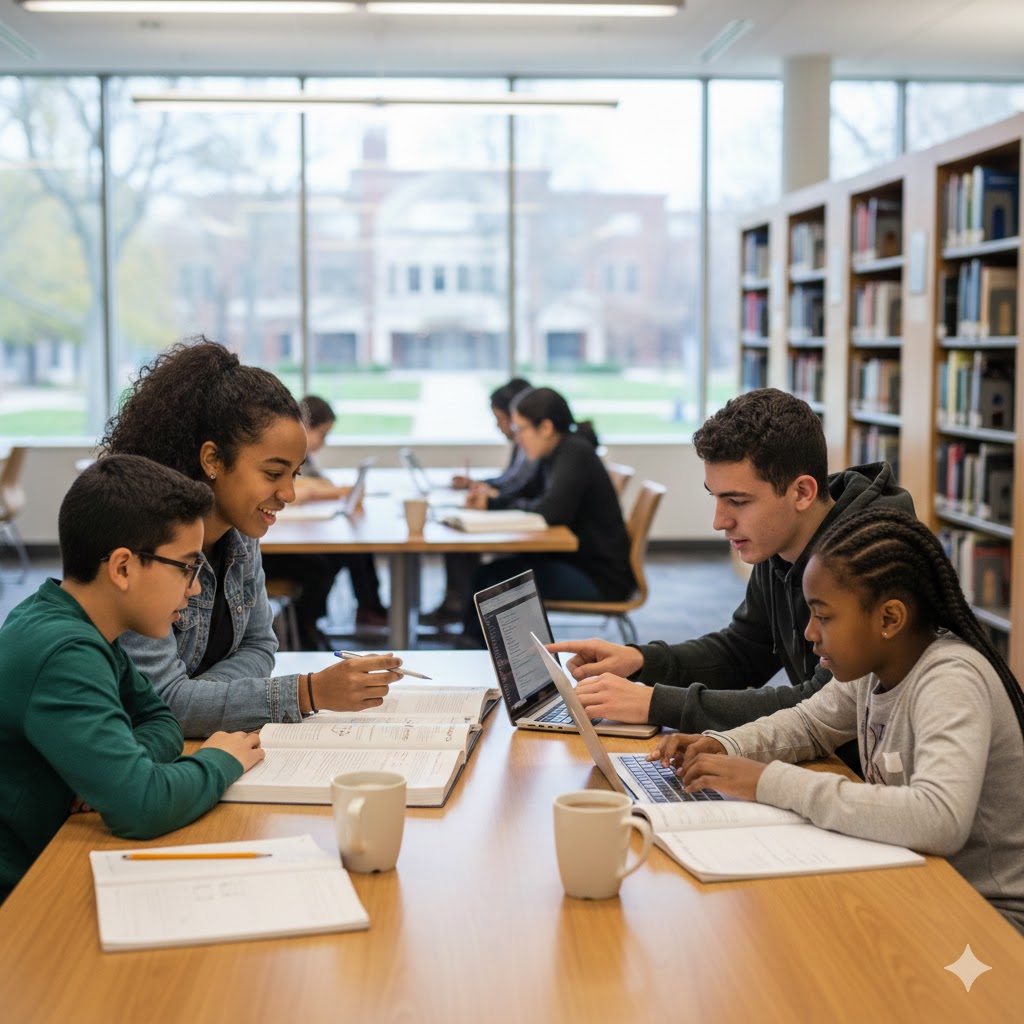
When students leave public schools, they take their state funding with them. According to Every Texan, a public policy research group, public schools across the state could lose more than $2 billion in funding because of TEFA. That's not a small number.
We're already seeing districts make painful decisions. In the DFW area alone, Lewisville ISD has been closing schools. When public schools lose funding, they cut programs — arts, athletics, counseling, special education support. The students who remain in public schools — often the most vulnerable — are left with less.
Deborah Hof from Selwyn put it this way: "I partner with the public schools. We're all teaching kids."
At B.E.A.M., we agree. School choice is important. But we believe every child deserves a great education — whether they're in a public school, a private school, a charter school, or a microschool. The conversation can't just be about moving money around. It has to be about lifting every child up.
So Where Does B.E.A.M. Stand?
We believe in informed choices. We believe families deserve real options. And we believe every educational setting — public, private, or microschool — should be held to a standard of excellence.
That's why B.E.A.M. Education exists. We work with educators, leaders, and communities to make sure all kids — especially in the Black community — have access to quality education, informed advocates, and a strong network of support.
The TEFA program is new. The rules are still being written. And this is exactly the moment when families need someone in their corner — someone who can help them cut through the noise and make the best decision for their child.
That's what we're here for.
Stay in the Know — Join the B.E.A.M. Ecosystem
Texas education is changing fast. Don't navigate it alone.
Follow our blog and stay up to date on the latest in Texas school policy, microschool trends, and educational equity — written for real people, in plain language that makes sense.
Better yet, join Dr. Andrea Long-Nelson and the B.E.A.M. Ecosystem — a growing community of educators, parents, and advocates who are committed to making a difference in the lives of our children.
Because every child deserves a champion — and every family deserves the information to make the right choice.


